
Nova Scotia Advisory Council on the Status of Women
The Nova Scotia Advisory Council on the Status of Women (NSACSW) was established in 1977 under the Nova Scotia Advisory Council on the Status of Women Act. The Advisory Council provides advice to the Minister on issues affecting the lives of women, girls and individuals who identify as women in Nova Scotia.
The Advisory Council and the Status of Women Office are two entities that work together on intersectional issues and priorities.
The Advisory Council is appointed by the Governor in Council on the recommendation of the Minister responsible for the Nova Scotia Advisory Council on the Status of Women Act. The Council is composed of up to 12 members reflecting the diversity of women across Nova Scotia, and who have demonstrated interest and involvement in women’s issues in their communities.
The Status of Women Office provides secretariat support to the Advisory Council and helps to make connections on its behalf with other government departments and community.
To learn more about the Advisory Council on the Status of Women or apply to join the Council, visit the Agencies, Boards, and Commissions website at: https://novascotia.ca/apps/abc/DeptABCList.aspx
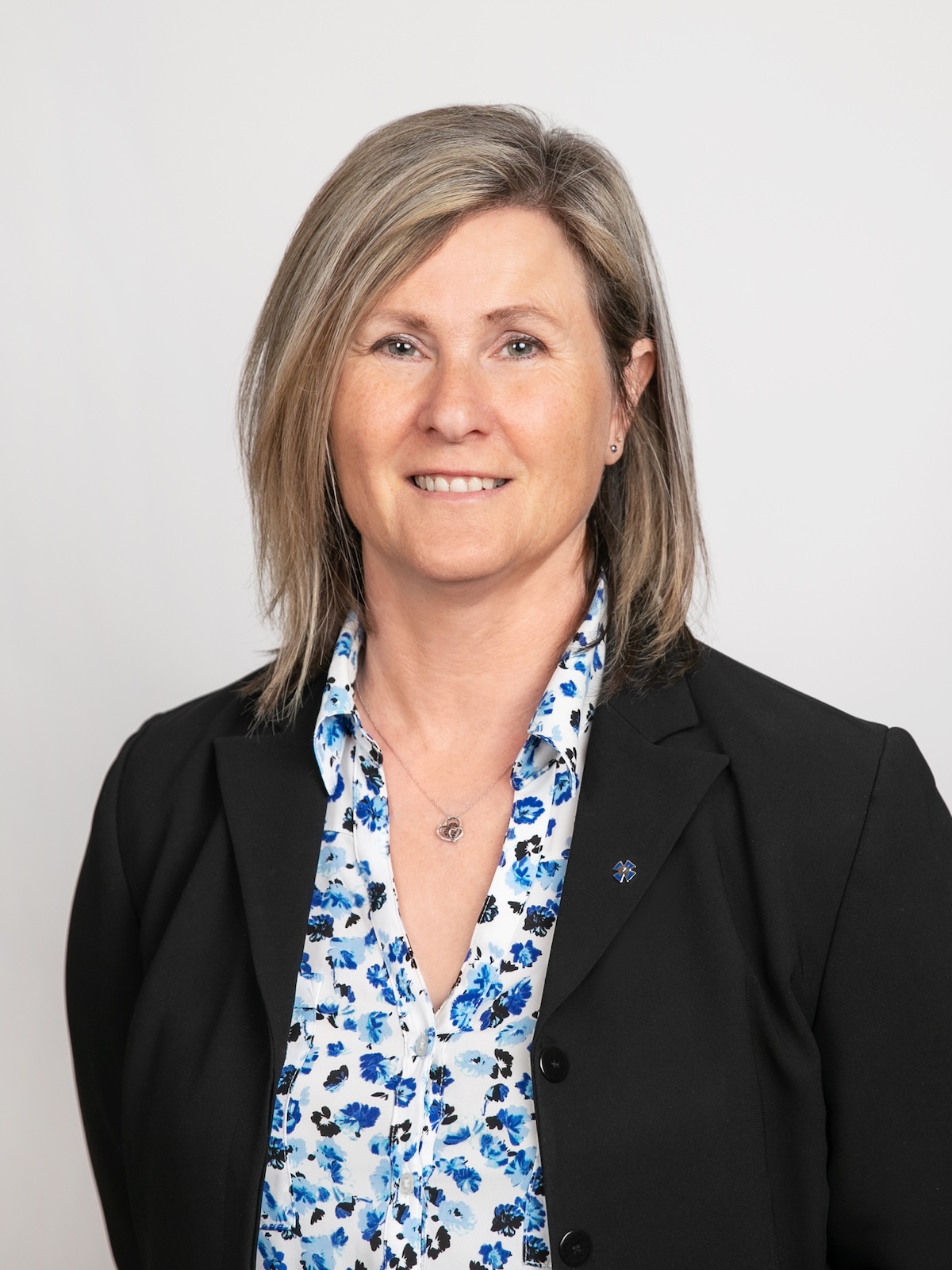
Julia Cecchetto, M.O.M. – Council President
Julia Cecchetto of Ashdale, Hants County, is currently retired after an extensive career in law enforcement with senior management experience within the Halifax Regional Police and the Kentville Police Service.
In 2017 Julia became the first female Chief of Police in Nova Scotia. She is former President of the Nova Scotia Chiefs of Police Association and volunteers in her local community. In 2021 Julia was recognized by the Governor General as a member of the order of merit for police services (M.O.M.).
Julia Cecchetto has also served as a board member with Chrysalis House, Restorative Justice Governance and Management, Homeless No More, and the Wortley Report Research Committee.

Afolake Awoyiga
Afolake Awoyiga is an African Canadian registered social worker and PhD student in Health at Dalhousie University. She works as a clinical social worker in the Neonatal Intensive Care Unit at IWK Health Centre, where she provides Africentric, trauma-informed, and family-centered support to families navigating complex perinatal and neonatal challenges.
Afolake is also a part-time academic sessional instructor at Dalhousie University’s School of Social Work, co-founder of the Generation 1 Leadership Initiative, and founder of the Global Social Workers Alliance of the Maritimes (GSWAM). Through these initiatives, she advances mentorship, education, leadership development, and advocacy for youth of African descent, as well as internationally educated, immigrant, and racialized social workers.
She serves on the Nova Scotia Advisory Council on the Status of Women, with a focus on women’s health, equity, and economic security, bringing insight into the intersecting experiences of Black and immigrant women. In 2025, she was recognized as one of Canada’s Top 100 Black Women to Watch.
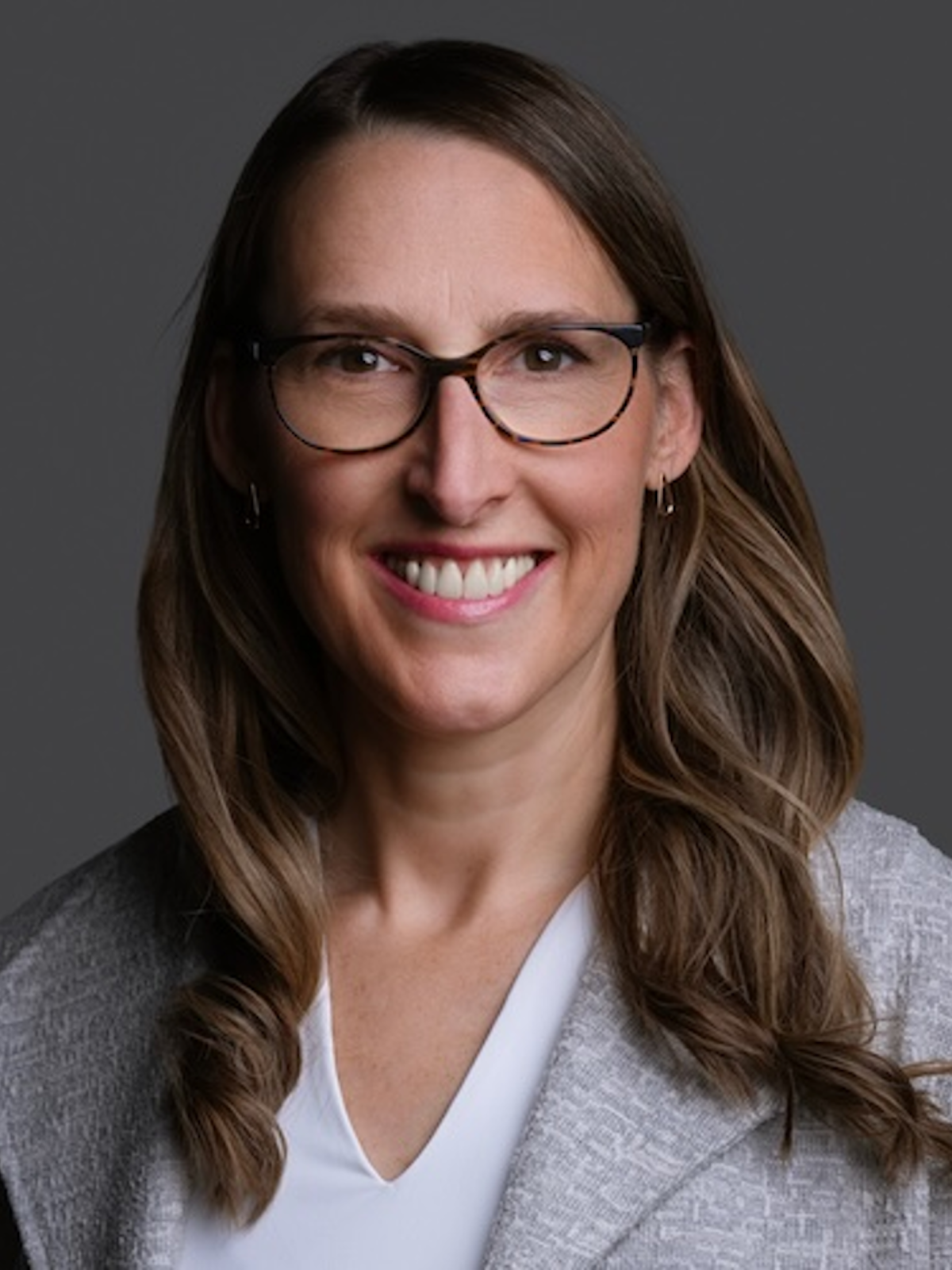
Anne Marie Belliveau
Anne Marie Belliveau is a leading project developer in the marine renewable energy and decarbonization sectors. She has held senior roles across the industry, including Early Stage Project Development Lead for the Nova East Wind floating offshore wind project with DP Energy, Tidal Project Development Manager at Emera, and Director of Operations at the Fundy Ocean Research Center for Energy (FORCE). She also serves on the Board of Directors for Marine Renewables Canada.
In 2020, Anne Marie founded Projectable Consulting, where she provides project development, project management, stakeholder engagement, and strategic planning services. Her recent clients include Canada’s Ocean Supercluster, HyVera Distributed Energy, pHathom Technologies, and FORCE.
Anne Marie is a strong advocate for inspiring young women to pursue careers in engineering, technology, trades, math, and science, and is the former Chair of the Women in Engineering Committee at Engineers Nova Scotia. She also mentors emerging and newcomer professionals through the Halifax Partnership’s Connector Program.

Claudia Bowers
Claudia Bowers began her career in post-Apartheid South Africa, rising to executive roles where women of colour were disproportionately underrepresented. As the first woman and person of colour to serve as Industry Chair in a male-dominated industry, she championed mentorship and opened pathways for other women at the board level.
A seasoned project management professional with decades of experience driving strategic initiatives across industries and countries, she has extensive experience advising organizations, government, and industry bodies, with a strong focus on in governance, policy development, and stakeholder collaboration especially supporting Black and other underrepresented communities.
She currently consults through Cape2Cape Solutions and serves on the YMCA Cape Breton Board and Governance Committee and as a Community Facilitator at Island Community Justice Society. A trainer, speaker, and collaborator, she is dedicated to empowering women and fostering inclusive, sustainable communities.
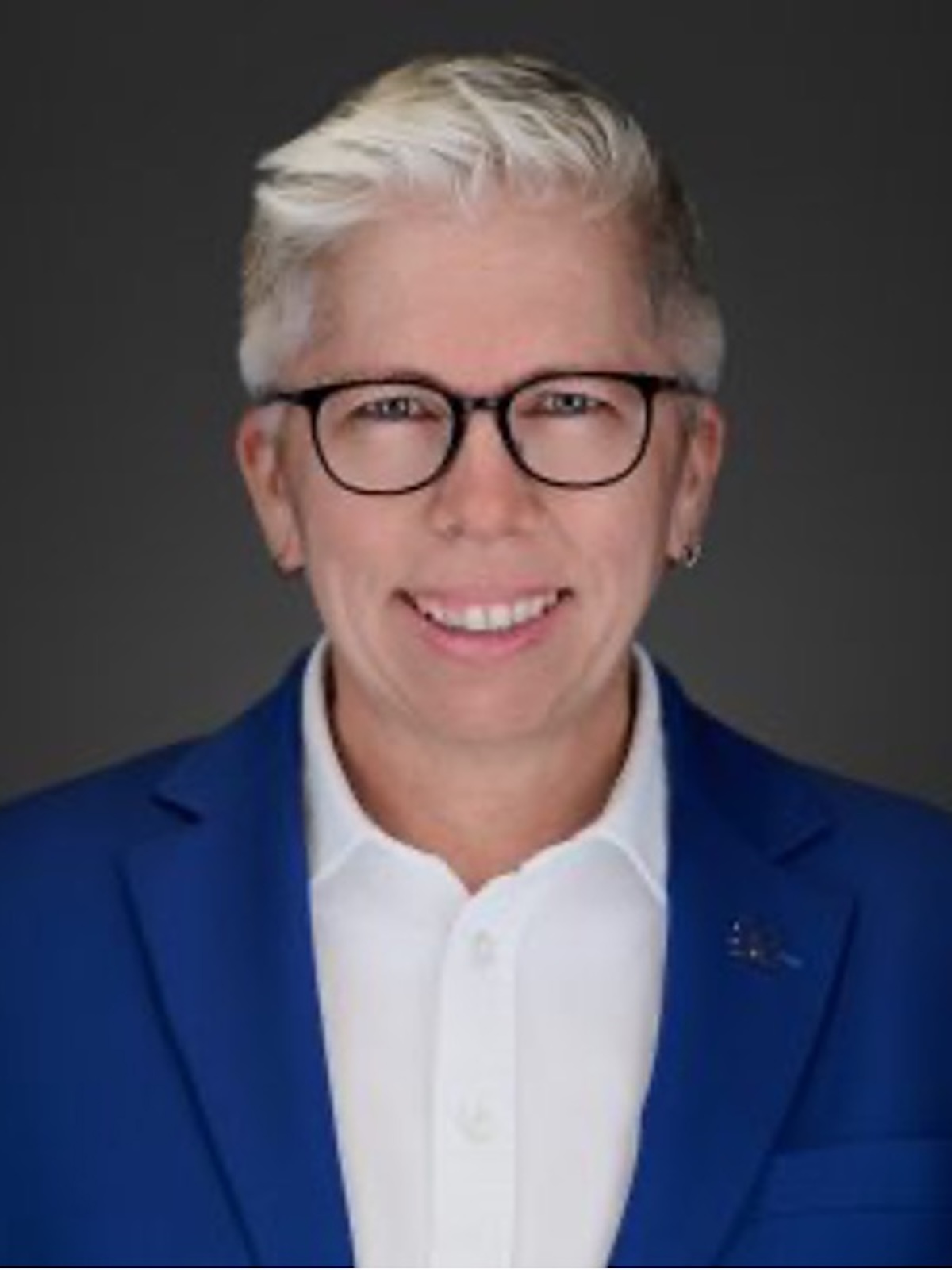
Joël Dickinson
Dr. Joël Dickinson was appointed President and Vice-Chancellor of Mount Saint Vincent University (MSVU) on July 1, 2022.
Before joining MSVU, she served as Dean of the Faculty of Arts at Laurentian University and held additional leadership roles, including Acting Associate Vice-President of Teaching and Learning and Chair of the Department of Psychology.
Throughout her career, Dr. Dickinson has emphasized student-centered decision-making and strong collaboration with faculty and staff. She has contributed to equity and inclusion initiatives through leadership roles with the Laurentian University Sexuality and Gender Diversity Committee and the Presidential Advisory Committee for the Status of Women, and she is frequently invited to speak on Inclusive Leadership and Implicit Bias.
An active community volunteer, she has served with numerous non-profit organizations and currently sits on the Boards of 211 Nova Scotia, World University Services Canada, and Research Nova Scotia.

Cheyenne Jones
Cheyenne Jones is a social impact leader, keynote speaker, and performance-driven coach based in Halifax. She is the founder of Face to Face Against Exploitation, a newly registered non-profit focused on preventing human trafficking through community education across Nova Scotia.
She is the creator and facilitator of Girls Like Us, a trauma-informed program developed and delivered in youth group homes and vulnerable settings, supporting girls to build confidence, recognize their worth, and make identity-driven decisions.
Cheyenne provides high-impact training for legal and corporate audiences, equipping them with actionable strategies to recognize exploitation, interpret complex client presentations, and strengthen decision-making through a trauma-informed lens.
Separately, through her coaching practice, she partners with high-performing individuals and teams to sharpen communication, strengthen decision-making, and perform at a higher level.
She is committed to supporting girls and women to finish strong—no matter where they started.
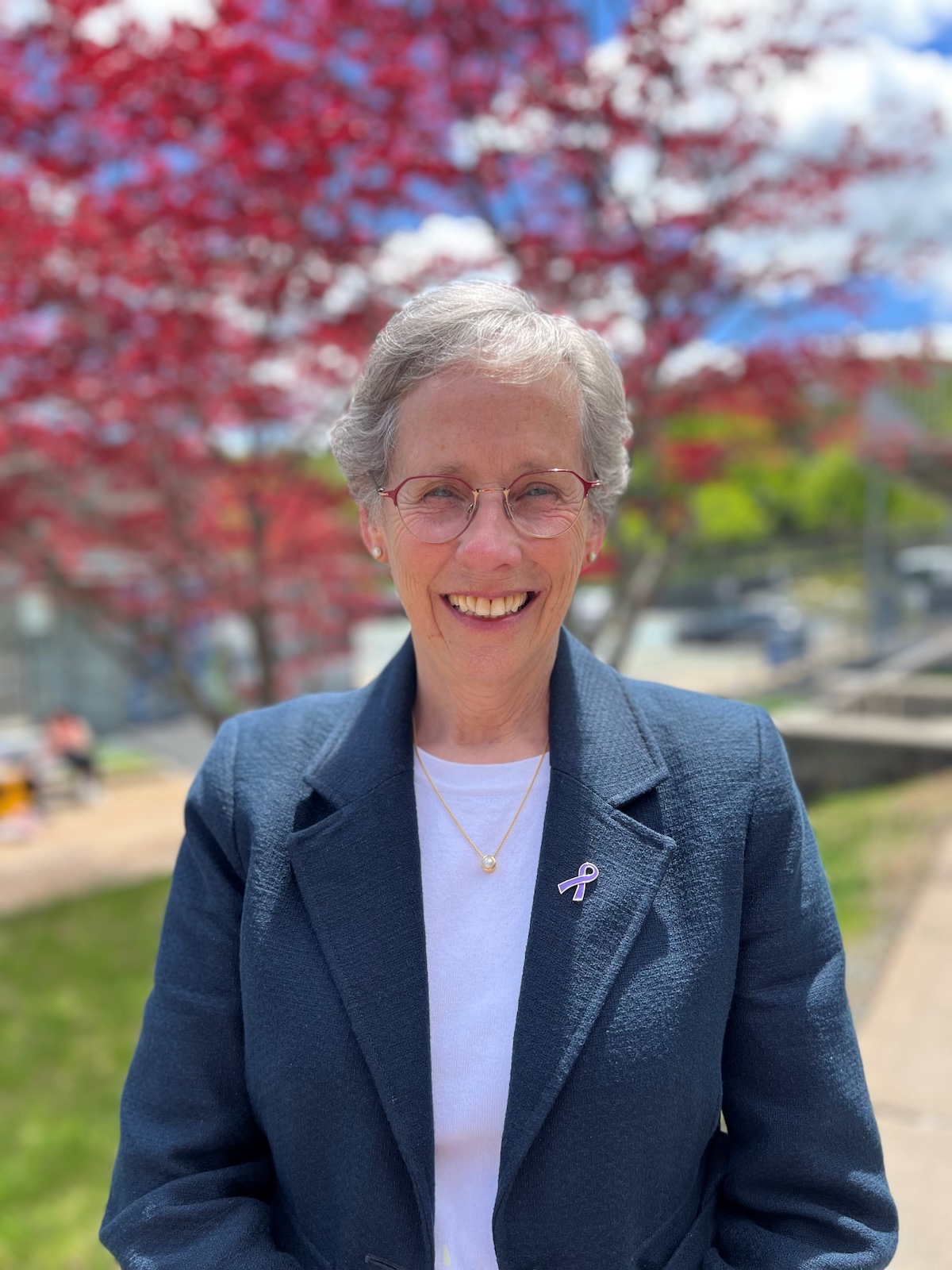
Betty MacDonald
Betty is a long-time supporter of women in local government, including through campaign schools and supporting research in encouraging women to run for local governments. She was involved in the initiative to support parental leave for municipal elected officials and participated in the development of a mentoring program for elected officials, in particular newly elected councillors and mayors.
Her time as Executive Director of the Federation of Municipalities (formerly Union of Nova Scotia Municipalities) strengthened her expertise in strategic leadership, communications, community engagement, and partnerships.
As a Governance Consultant, she developed a Board Governance Framework and Toolkit for community boards working with a provincial government department, and advised the Association of Vietnam Cities on governance, member engagement, advocacy, and priority setting through the Federation of Canadian Municipalities.

Maxine Mann
Maxine Mann is an education and workforce development executive with more than 20 years of leadership experience across post-secondary, health, and social systems.
She most recently served as Principal of Nova Scotia Community College’s Pictou Campus, where she led 75 employees, and advanced mental health, accessibility, and inclusion across campus operations.
Previously, Maxine was Manager of Mental Health (Northern Region) for the Nova Scotia Health Authority, overseeing outpatient services, multidisciplinary teams, accreditation, and system-wide clinical training. Her earlier tenure at Fleming College included roles as Dean of Trades and Technology, Dean of Business, and Director of Counselling and Accessibility, where she modernized programs and strengthened student success systems.
Through her consulting practice, she supports organizations in equity strategy, workforce inclusion, and system transformation. Maxine is recognized for creating learner-centered environments and strengthening regional talent pathways through collaborative, data informed leadership.
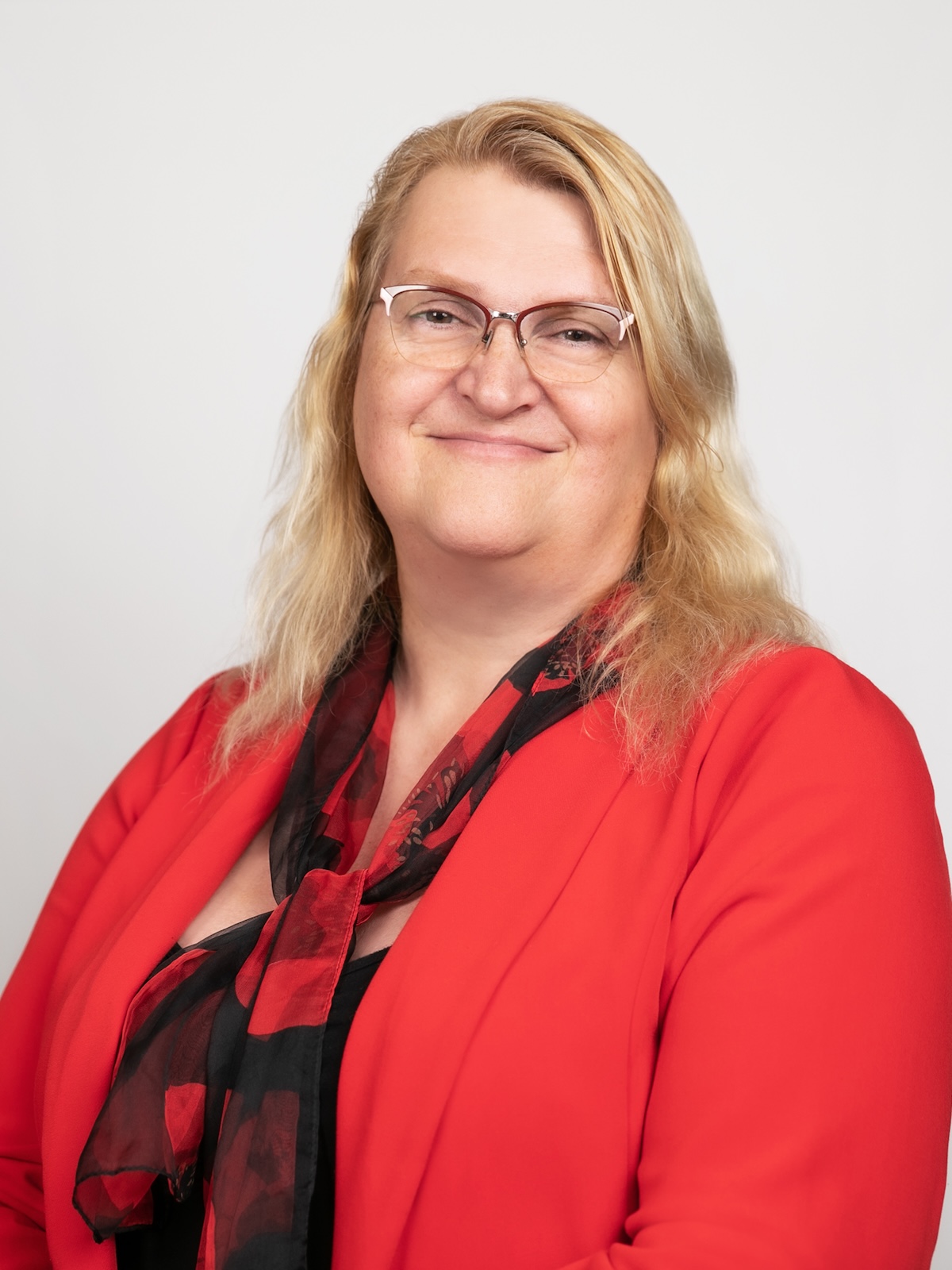
Veronica Merryfield
Veronica Merryfield of Cape Breton Regional Municipality serves as a volunteer in her community as chair of Undercurrent Youth Society and a board member of Cape Breton Centre for Sexual Health, and is the founder of the Cape Breton Transgender Network and the Nova Scotia Intersex Support Network.
After a career in electronic and software engineering, she is now an EDI educator and consultant, an HR investigator, a regular speaker and educator on many topics drawn from her lived experiences, and an active advocate for gender-affirming care matters. She is openly transgender and lives with several facets of neuro-diversity.

Kathleen Murphy
Kathleen Murphy is a Nova Scotia–born researcher, educator, and advocate with over a decade of experience advancing gender equity, family violence prevention, and the wellbeing of women and children.
She holds a PhD from the University of Oxford’s Department of Social Policy and Intervention and is currently a Postdoctoral Fellow at the University of Toronto’s Dalla Lana School of Public Health in the Centre for Global Health, and a Lecturer at Dalhousie University’s School of Health and Performance. In collaboration with communities, governments, and non-governmental organizations, she uses participatory, community-led approaches to co-create, evaluate, and scale-up culturally and contextually-grounded family support and gender equity programs, with her work spanning over 10 countries.
In Nova Scotia and other parts of Canada, she has contributed to initiatives supporting sex workers, community-led Indigenous health research, and women’s employment equity. Kathleen brings strong leadership, partnership-building, and policy expertise at local and global levels, alongside a deep commitment to amplifying community voices and advancing gender equity across Nova Scotia.

Dr. Tasha Richard
Dr. Tasha Richard is an Assistant Professor of Entrepreneurship in the Department of Business and Social Sciences at Dalhousie University. Her research and teaching focus on inclusive entrepreneurship ecosystems, with particular attention to how gender, identity, and systemic barriers shape entrepreneurial experiences.
She is actively involved in national and international research initiatives, including her role as Canada’s representative to the Global Women’s Entrepreneurship Policy Research Network (GWEP) in collaboration with the OECD, and as a member of the Global Entrepreneurship Monitor (GEM) Canada team.
Dr. Richard’s work bridges research and practice, engaging with policymakers, community organizations, and entrepreneurs to advance more inclusive and equitable approaches to entrepreneurship. She is also actively involved in research exploring the emerging kelp and blue economy sector in Atlantic Canada, with a focus on inclusive, place-based development and equitable participation across the value chain. Her work is grounded in a commitment to equity, systems change, and expanding access to entrepreneurship for underrepresented groups.

Collette Robert
Collette is from Halifax and is the Sexual Violence Prevention Coordinator for the Council of Nova Scotia University Presidents. She led a research project in Cognitive Neuroscience (MSc) in the Graduate Department at Saint Mary’s University.
In her own words:
It’s an incredible honour to represent the women of Nova Scotia. I want to learn what’s most important to you and bring that forward.
My background is in neuroscience and social sciences, and I currently work in the field of sexual violence prevention with the Nova Scotia Universities and Colleges. I’m passionate about equity and am a firm believer that we can produce strong leaders regardless of gender.
We need to advance justice and fair practice in Nova Scotia. Our differences should not create barriers for opportunity.
Click here to learn more about the Nova Scotia Status of Women Office.